
Declaration of War, What is it Good For?
George Washington Votes Yes

Even the American Founders, figures so revered and esteemed that they are shrouded in the words of myth and legend, believed that the President of the United States could wage war without Congress Declaring War. I could delve into The Federalist Papers to illustrate this, but I thought it would be easier to just show you where they ... and their successor Presidents ..... had done so. Including the most revered of all, His Excellency, George Washington.
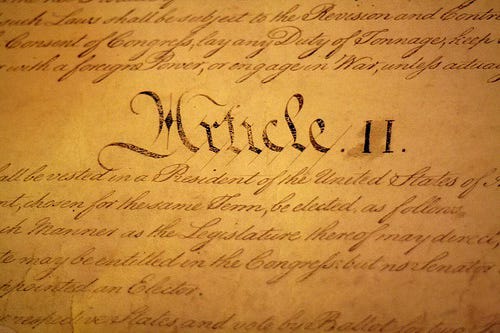
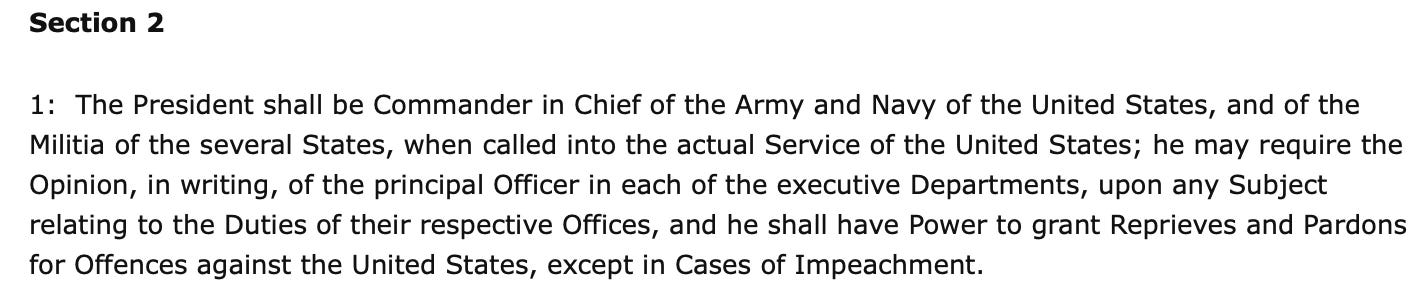
Every U.S. President, going back to the Founders, has acted on the belief that they have constitutional authority as Commander in Chief to use military force against enemies—foreign or domestic—without needing Congress to declare war first (or sometimes at all). The use of military force against an enemy is, indeed, waging war.
Here’s a short over view.
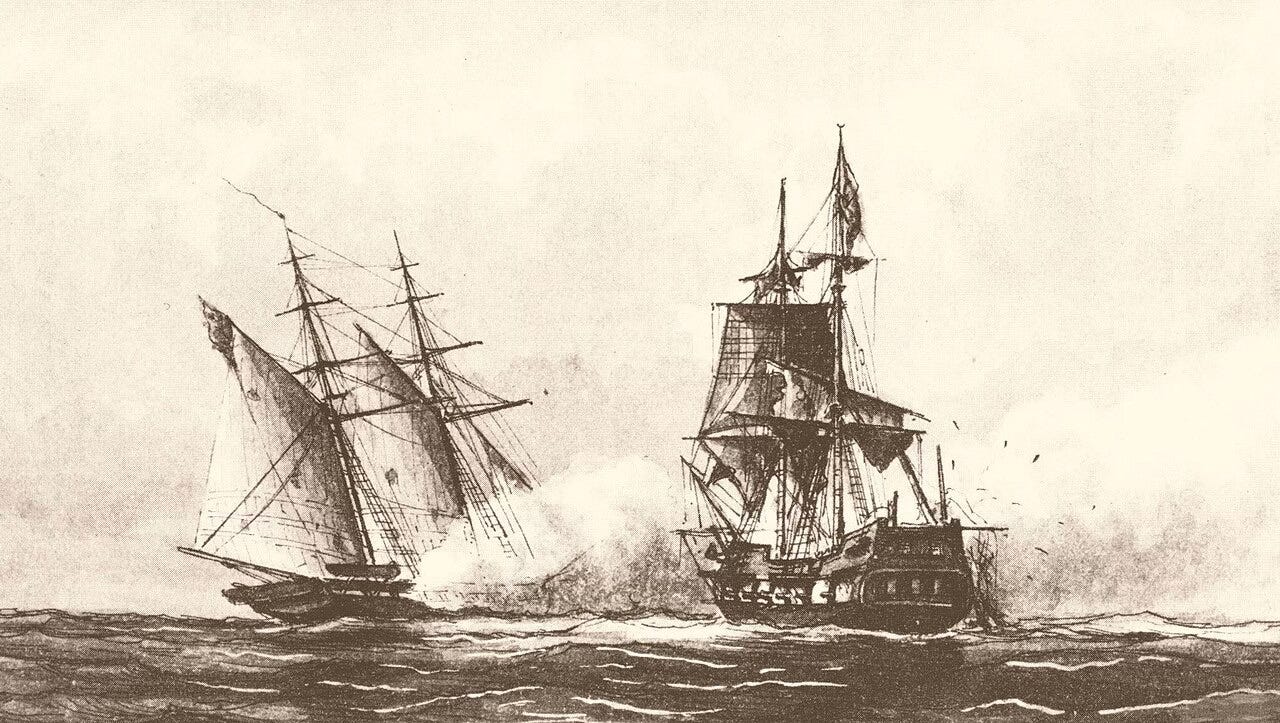
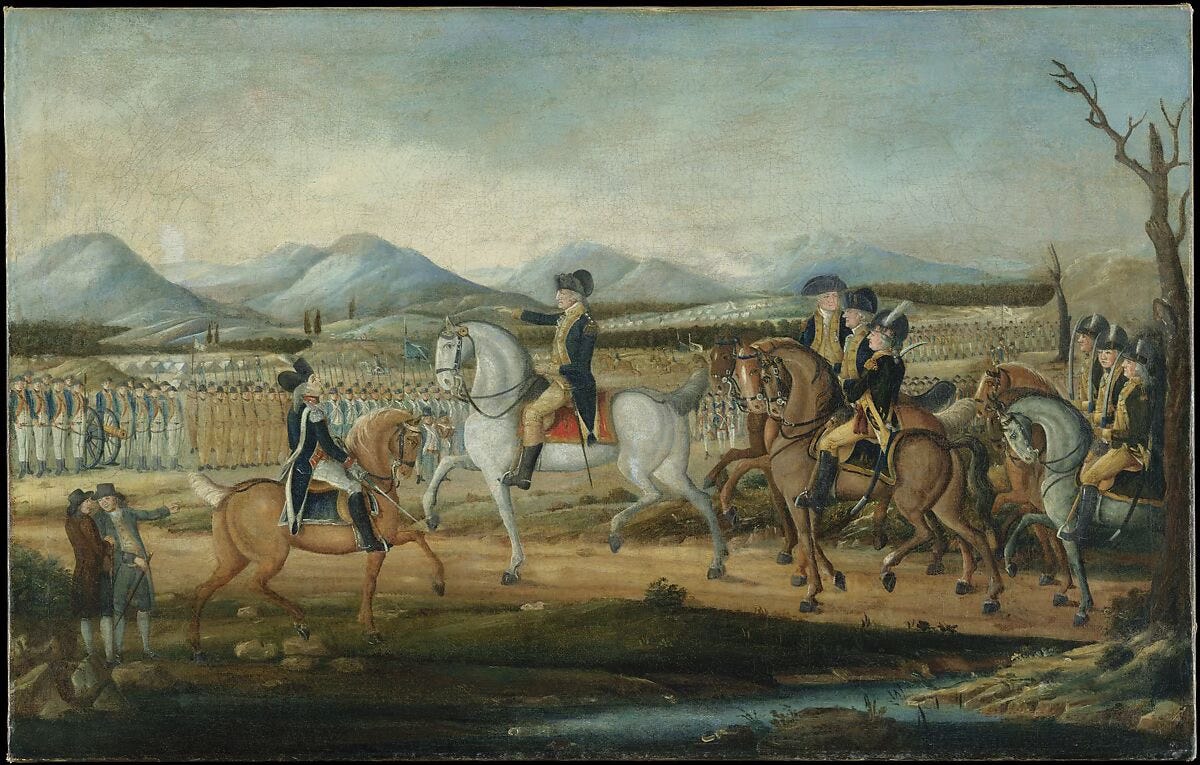
George Washington (1794): Called up militia to suppress the Whiskey Rebellion (an armed tax protest in Pennsylvania). No declaration of war—treated as an internal rebellion.
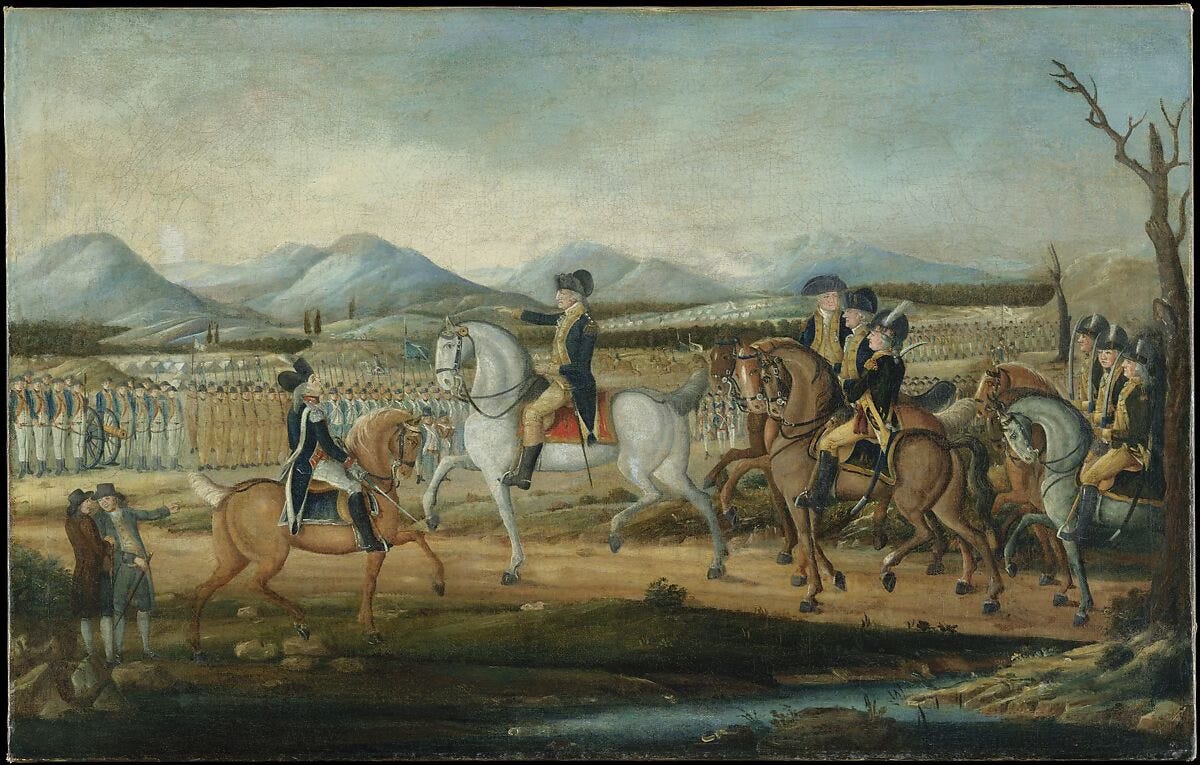
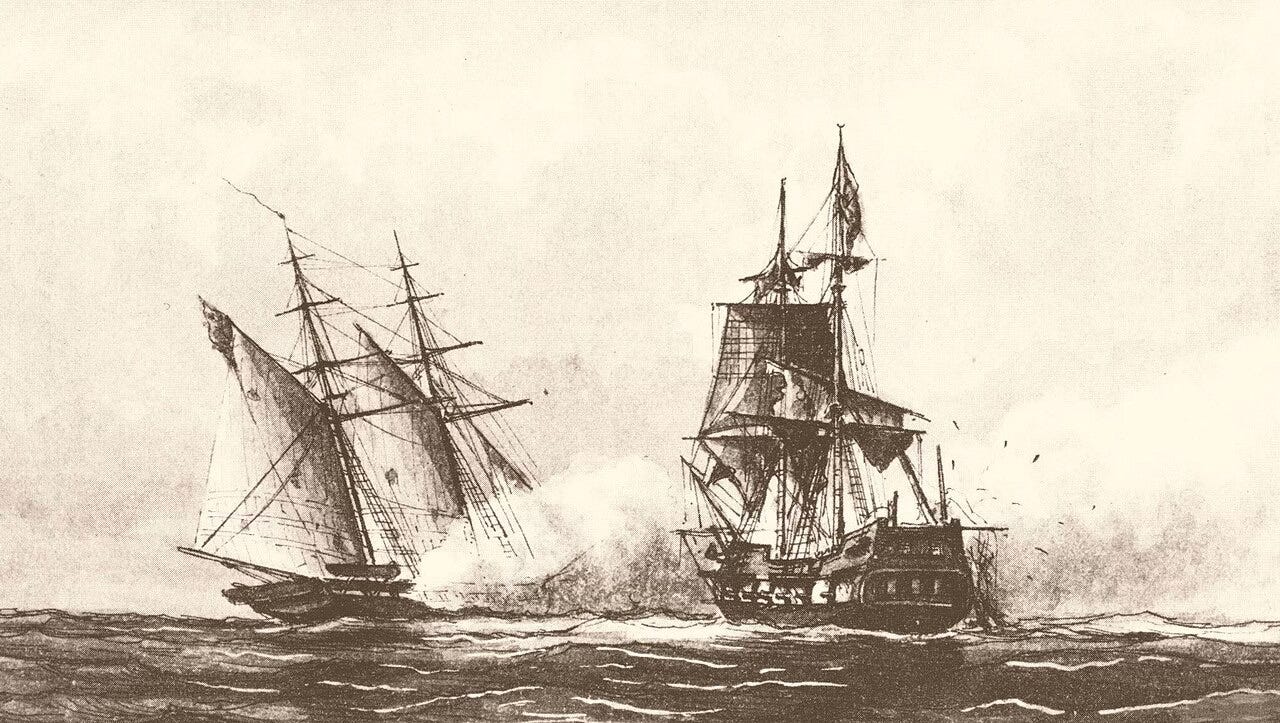
Thomas Jefferson (1801–1805) and James Madison (1815): Launched naval campaigns against the Barbary Pirates (from modern-day Morocco, Algeria, Tunisia, Libya) to protect U.S. shipping and citizens, who were being kidnapped, ransomed, and enslaved. No declaration or specific authorization; Jefferson even sent ships before Congress reconvened.
Abraham Lincoln (1861): While Congress was out of session at the Civil War’s start, he called up 75,000 militia, blockaded Southern ports, and suspended habeas corpus. Congress later ratified most of it, but he acted first unilaterally.
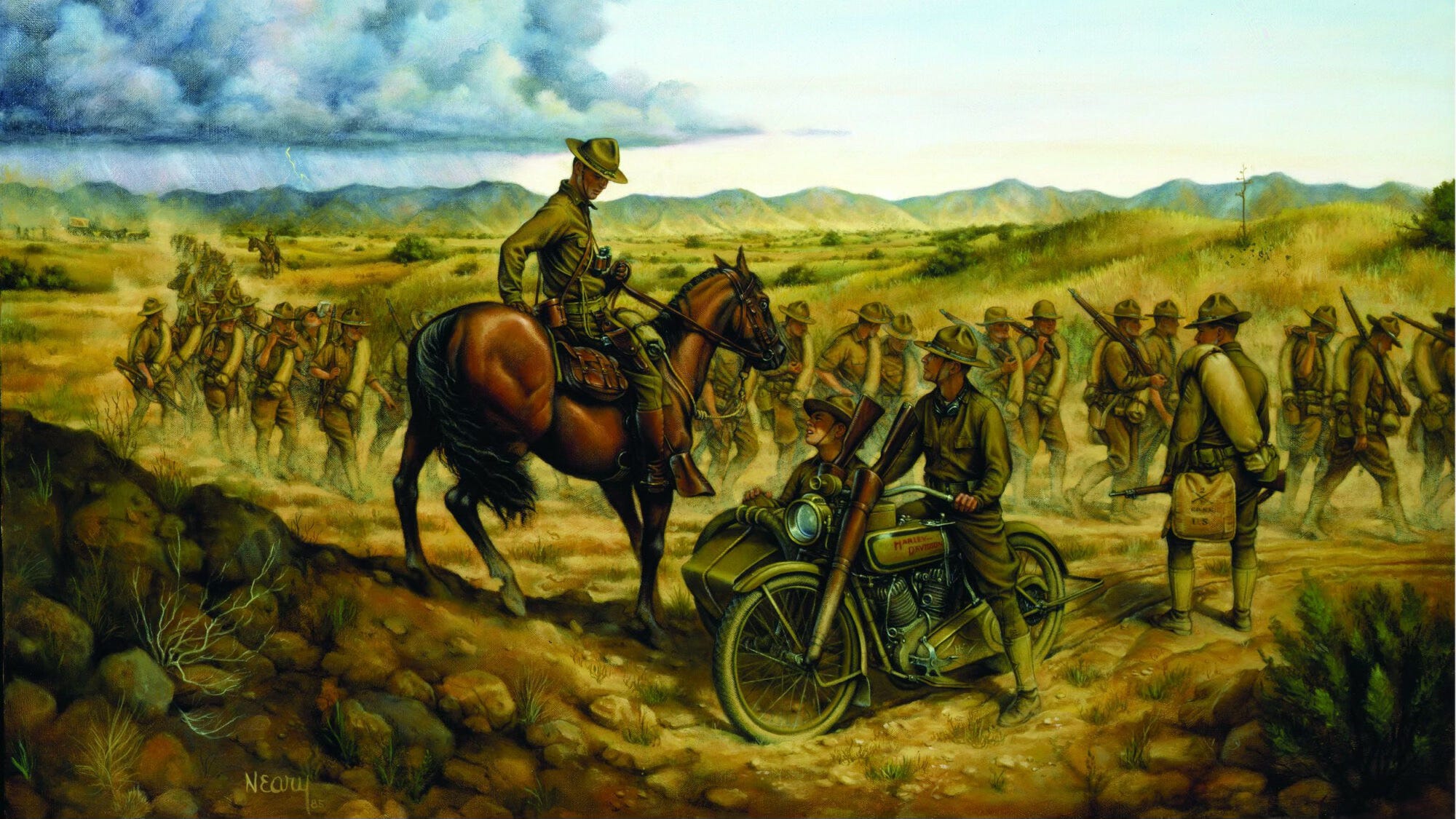
Woodrow Wilson (1916–1917): Sent General Pershing and thousands of troops into Mexico on the Punitive Expedition to chase Pancho Villa after border raids. No congressional authorization.
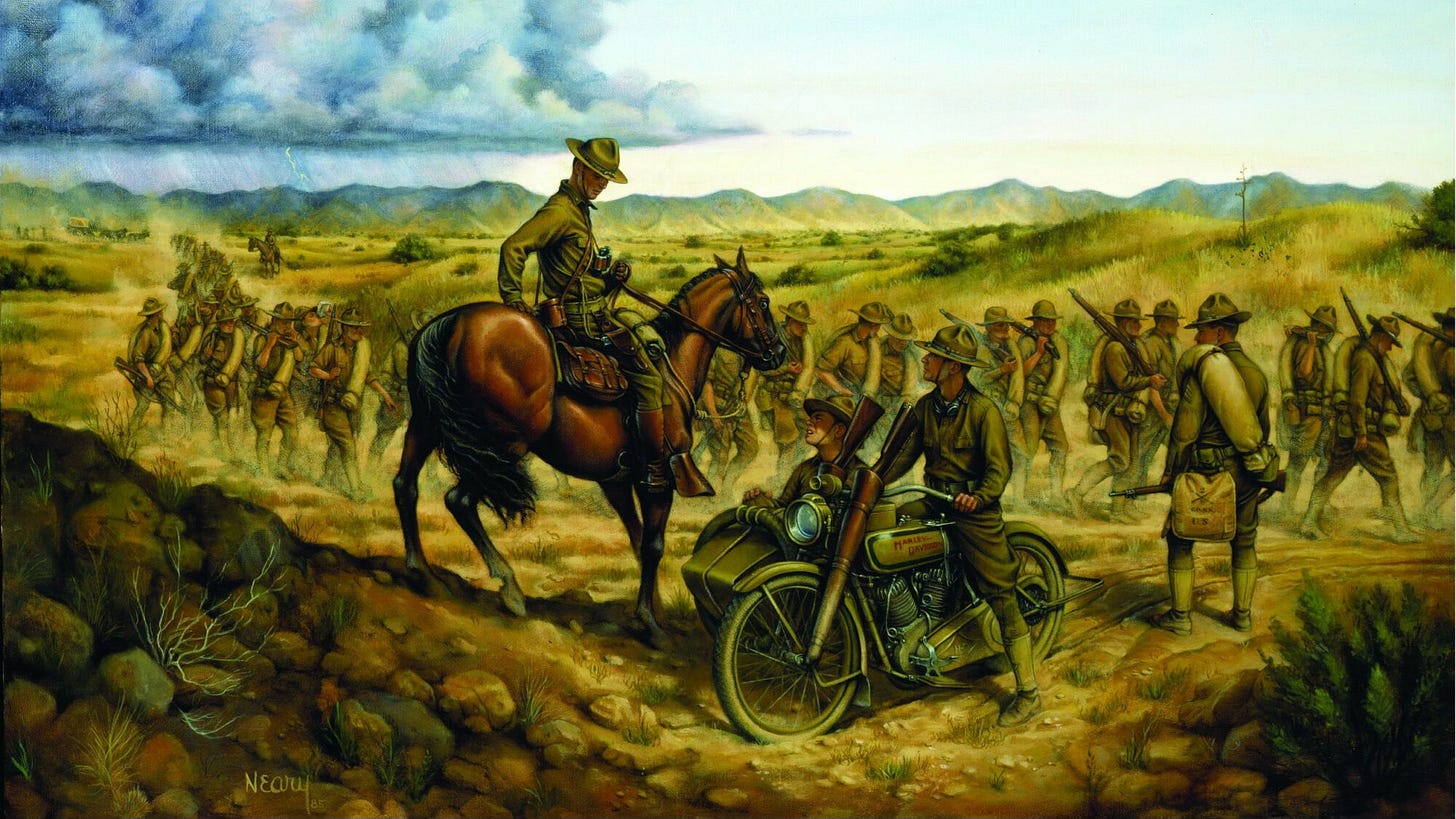
Harry Truman (1950): Committed U.S. forces to the Korean War as a ‘UN police action’—no declaration of war, no specific congressional vote to start it (though Congress funded and expanded the military later).
Ronald Reagan (1983): Ordered the full invasion of Grenada (Operation Urgent Fury) to oust a Marxist regime and protect Americans. No prior congressional authorization.
George H.W. Bush (1989): Invaded Panama (Operation Just Cause) to remove Noriega. No specific congressional approval.
More recent ones that come to mind every day: Clinton’s air campaign in Kosovo (1999, no specific authorization); Obama’s 2011 Libya intervention (airstrikes/no-fly zone, no vote); Intervention in Syria against ISIS; Trump’s 2020 drone strike on Iranian Gen. Soleimani; various airstrikes in Syria, Iraq, Yemen under the broad 2001 AUMF (post-9/11), but without new congressional votes for each.
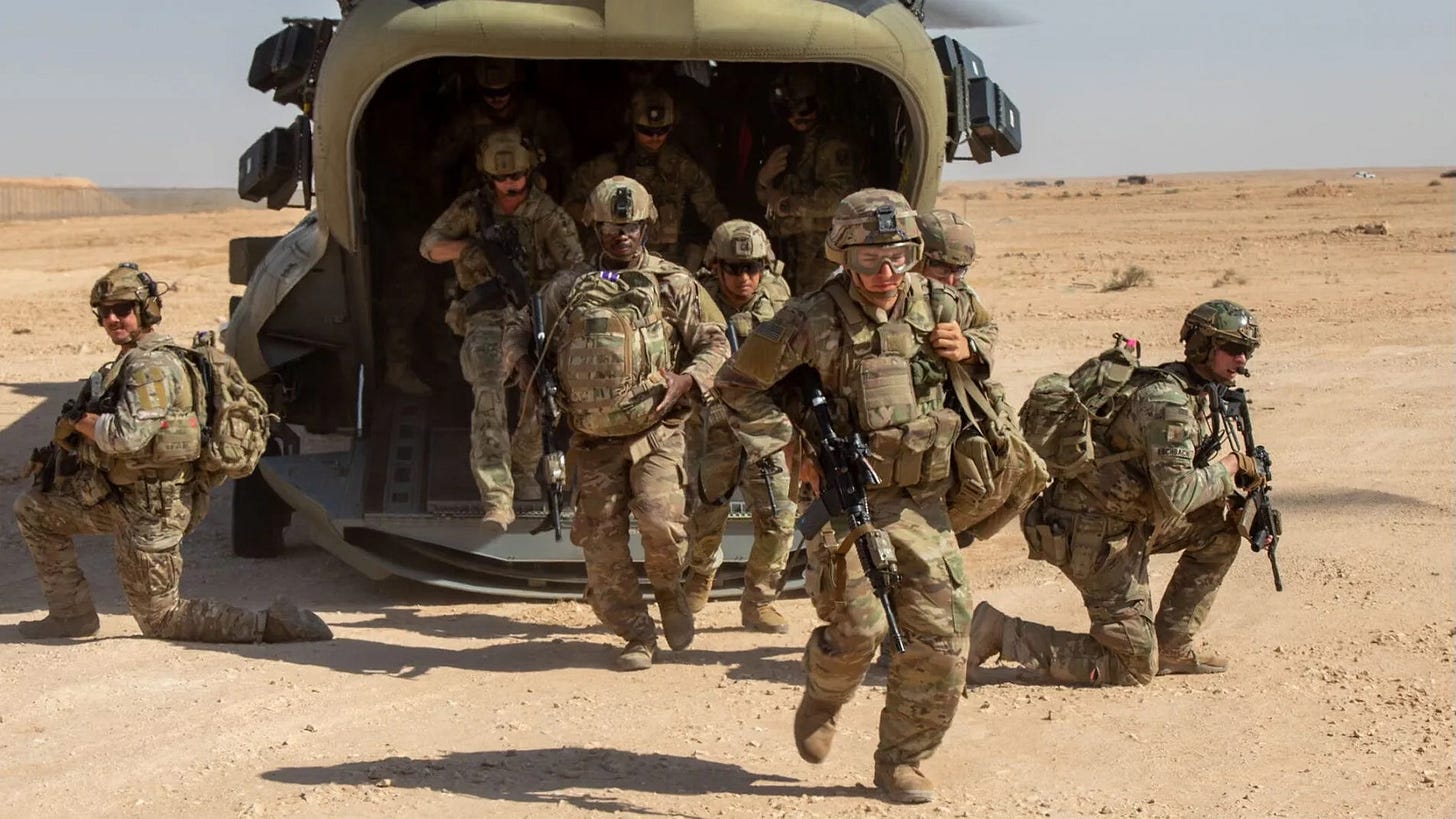
The Indian Wars: For nearly a century (roughly 1817–1898), Presidents waged the ‘Indian Wars’ across the frontier—dozens of campaigns against Native tribes—with no declarations of war and usually no specific congressional authorizations. They were framed as suppressing rebellions, protecting settlers, or enforcing federal authority, much like Washington did in 1794.
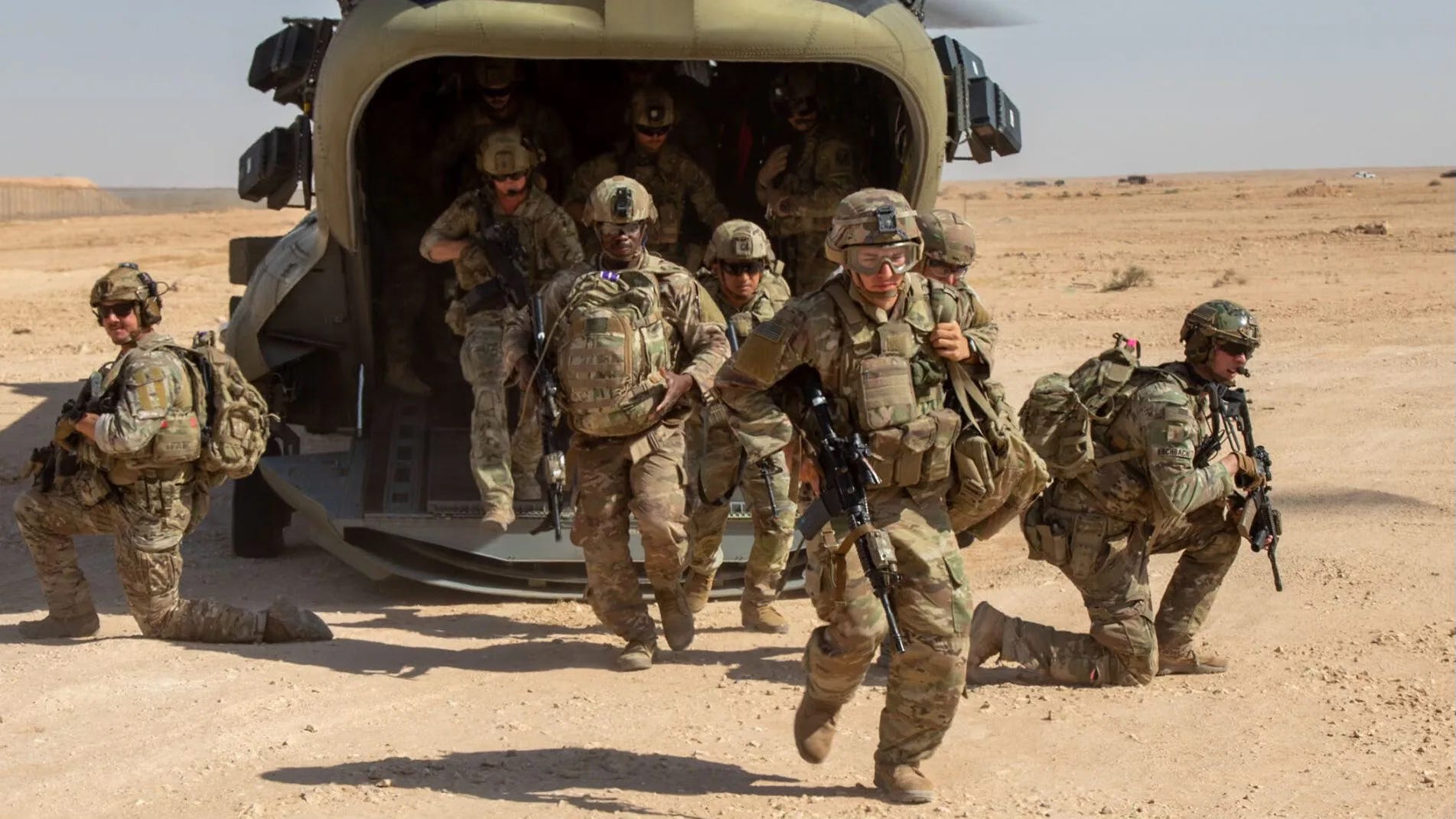
Dig deeper, and there are literally hundreds of smaller cases (naval landings to protect Americans abroad, bombardments, interventions)—documented in Congressional Research Service lists—where Presidents used force unilaterally under their Commander in Chief powers.
Like it or not, this means a President can launch a significant military campaign (e.g., against Iran) without it being unconstitutional. Congress’s main real check is cutting funding (which is politically tough mid-crisis), passing resolutions (often non-binding or vetoed), or impeachment (rare and extreme). The 1973 War Powers Resolution tried to limit this, but Presidents from both parties have interpreted it loosely, and courts rarely intervene.
Even our most revered Founders, George Washington, Thomas Jefferson, and James Madison, agree and used military force to wage war without a Declaration of War.